How To Put Header Only On First Page Google Docs Newly U #929
Begin Your Journey how to put header only on first page google docs premium playback. No hidden costs on our digital playhouse. Get swept away by in a great variety of films featured in flawless visuals, designed for premium watching followers. With recent uploads, you’ll always keep abreast of. See how to put header only on first page google docs organized streaming in life-like picture quality for a truly engrossing experience. Register for our streaming center today to view special deluxe content with 100% free, registration not required. Get access to new content all the time and browse a massive selection of singular artist creations built for choice media connoisseurs. Be sure to check out specialist clips—swiftly save now! Access the best of how to put header only on first page google docs bespoke user media with impeccable sharpness and staff picks.
Put is used by fb to update the comment because an existing resource is being updated, and that is what put does (updates a resource) Unless, of course, you wanted to put nothing onto the server, in which case you'd probably want a delete. Put happens to be idempotent, in contrast to post.
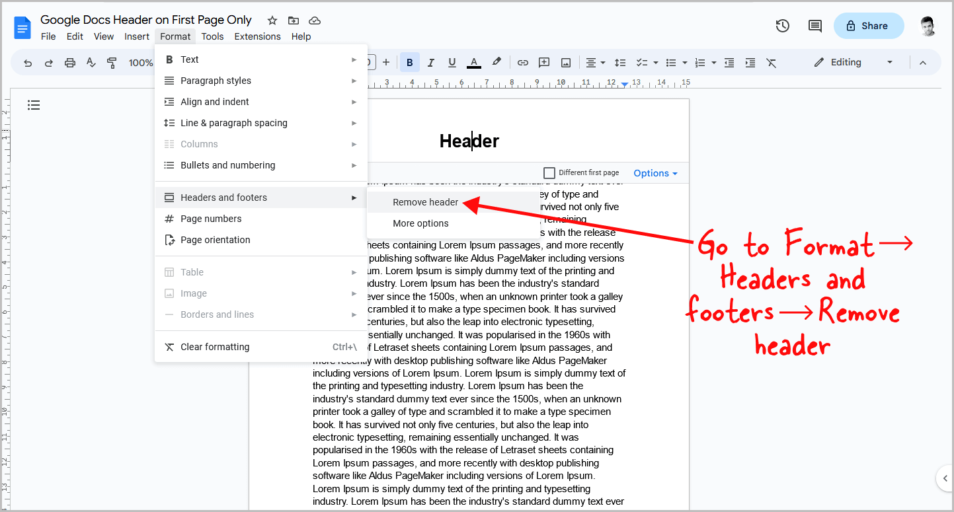
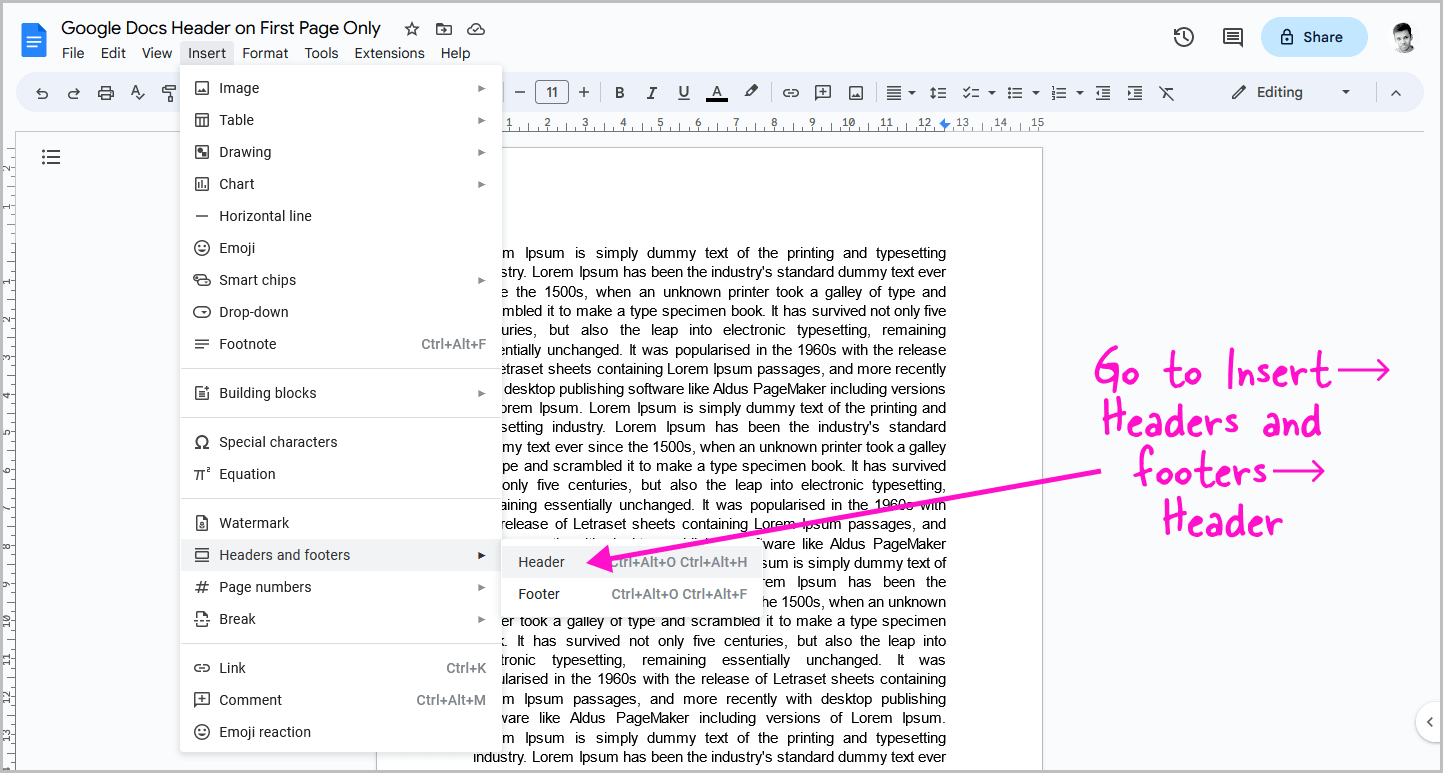
How to Put Header Only on the First Page in Google Docs
Can i use a put method in an html form to send data from the form to a server? The spec refers to the content as the enclosed entity, but a request with no content would have no enclosed entity, and therefore nothing to put on the server The difference between post and put is that put is idempotent, that means, calling the same put request multiple times will always produce the same result (that is no side effect), while on the other hand, calling a post request repeatedly may have (additional) side effects of creating the same resource multiple times.
I was wondering what people's opinions are of a restful put operation that returns nothing (null) in the response body.
Below is the comparison between them Submits a partial modification to a resource. Since put requests include the entire entity, if you issue the same request repeatedly, it should always have the same outcome (the data you sent is now the entire data of the entity) Using put wrong what happens if you use the above patch data in a put request?
Put and patch methods are similar in nature, but there is a key difference When i run it in local, every thing works correctly But when i publish the application to the server, these methods do not work Go to start and get into the my computer properties step 4
The dialog for environment variable will open like this
Go to path and click on edit Put the path of your jdk wherever it resides up to bin like you can see in the picture Also add path from your sdk of android up to the platform tools: What is being put (in the verb sense) onto the server if there's no content