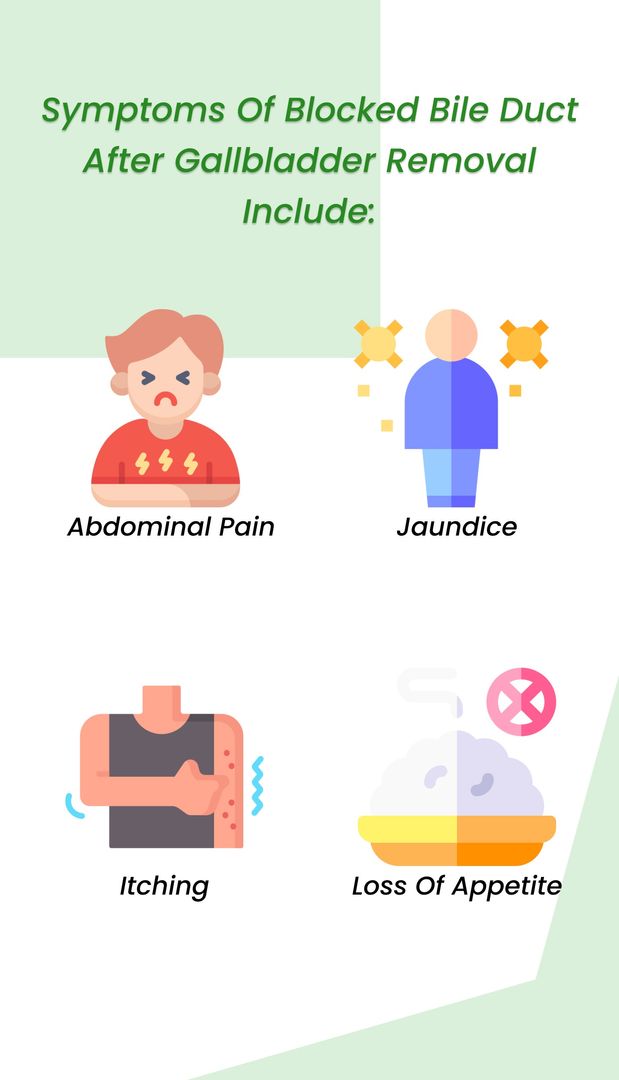
Bile Leak After Gallbladder Removal Symptoms Newly U #943
Go Premium For Free bile leak after gallbladder removal symptoms superior webcast. Free from subscriptions on our streaming service. Plunge into in a enormous collection of selections displayed in best resolution, the best choice for elite watching lovers. With the latest videos, you’ll always be informed. Browse bile leak after gallbladder removal symptoms recommended streaming in amazing clarity for a mind-blowing spectacle. Join our entertainment hub today to witness select high-quality media with totally complimentary, registration not required. Look forward to constant updates and venture into a collection of singular artist creations created for deluxe media experts. Don’t miss out on special videos—rapidly download now! Enjoy top-tier bile leak after gallbladder removal symptoms one-of-a-kind creator videos with breathtaking visuals and editor's choices.
In humans, bile is primarily composed of water, is produced continuously by the liver, and is. Many waste products, including bilirubin, are eliminated from the body by secretion into bile and elimination in feces. It helps your body break down fats in the foods you eat and makes it easier for digestive enzymes to do their job.
Bile Duct Obstruction after Gallbladder Removal | ClinicSpots
Its main job is to break down fats into fatty acids so that they can be absorbed by your body through the digestive tract The primary digestive function of bile is to aid in the dispersion and digestion of fat in the lumen of the small intestine. Bile is stored in the gallbladder and is sometimes also called gall.
Bile is a liquid produced by the liver that helps your body digest fats from the food you eat
It is stored in the gallbladder and empties into your intestines during digestion. Bile is a fundamental and unique secretion of the liver After its secretion, bile is stored and concentrated in the gallbladder Lipids in the duodenum stimulate the release of cholecystokinin, which stimulates gallbladder.
Your biliary system moves bile through your digestive tract Learn about how it works, issues you may experience, and treatment options today. The biliary organs and duct system that creates, transports, stores, and releases bile into the duodenum for digestion includes the liver, gallbladder, and bile ducts (named the cystic, hepatic, common, and pancreatic duct). Bile contains many different substances, including bile salts, cholesterol, and bilirubin
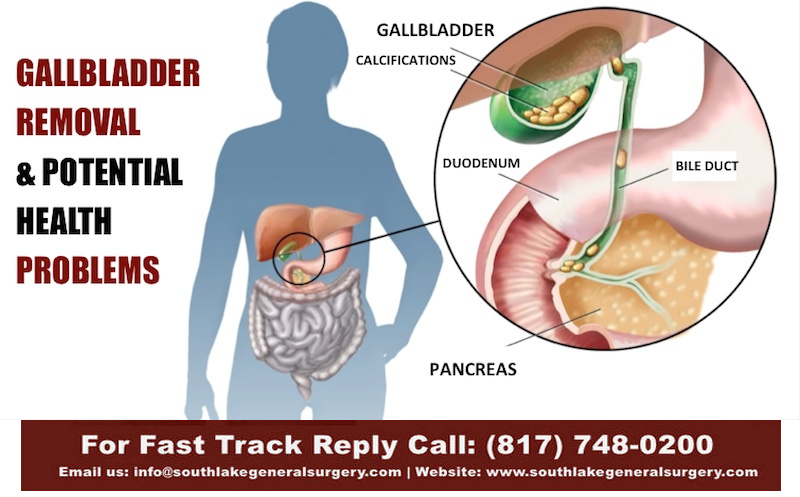
After a meal, the gallbladder pumps bile into the duodenum (the first part of the small intestine) to keep the intestine's contents at the appropriate ph for digestion, and to help break down fats.