
Atomic Heart Sex New Content: Files & Pictures #867
Dive Right In atomic heart sex VIP content delivery. No hidden costs on our streaming service. Delve into in a great variety of videos brought to you in cinema-grade picture, the ultimate choice for exclusive streaming mavens. With newly added videos, you’ll always remain up-to-date. Locate atomic heart sex expertly chosen streaming in high-fidelity visuals for a highly fascinating experience. Link up with our creator circle today to stream exclusive premium content with at no cost, subscription not necessary. Enjoy regular updates and journey through a landscape of singular artist creations designed for exclusive media experts. Make sure to get one-of-a-kind films—get it in seconds! Discover the top selections of atomic heart sex visionary original content with lifelike detail and staff picks.
In the effective java book, it states Since std::atomic_init has been deprecated in c++20, here is a reimplementation which does not raise deprecation warnings, if you for some reason want to keep doing this. The language specification guarantees that reading or writing a variable is atomic unless the variable is of type long or double [jls, 17.4.7]
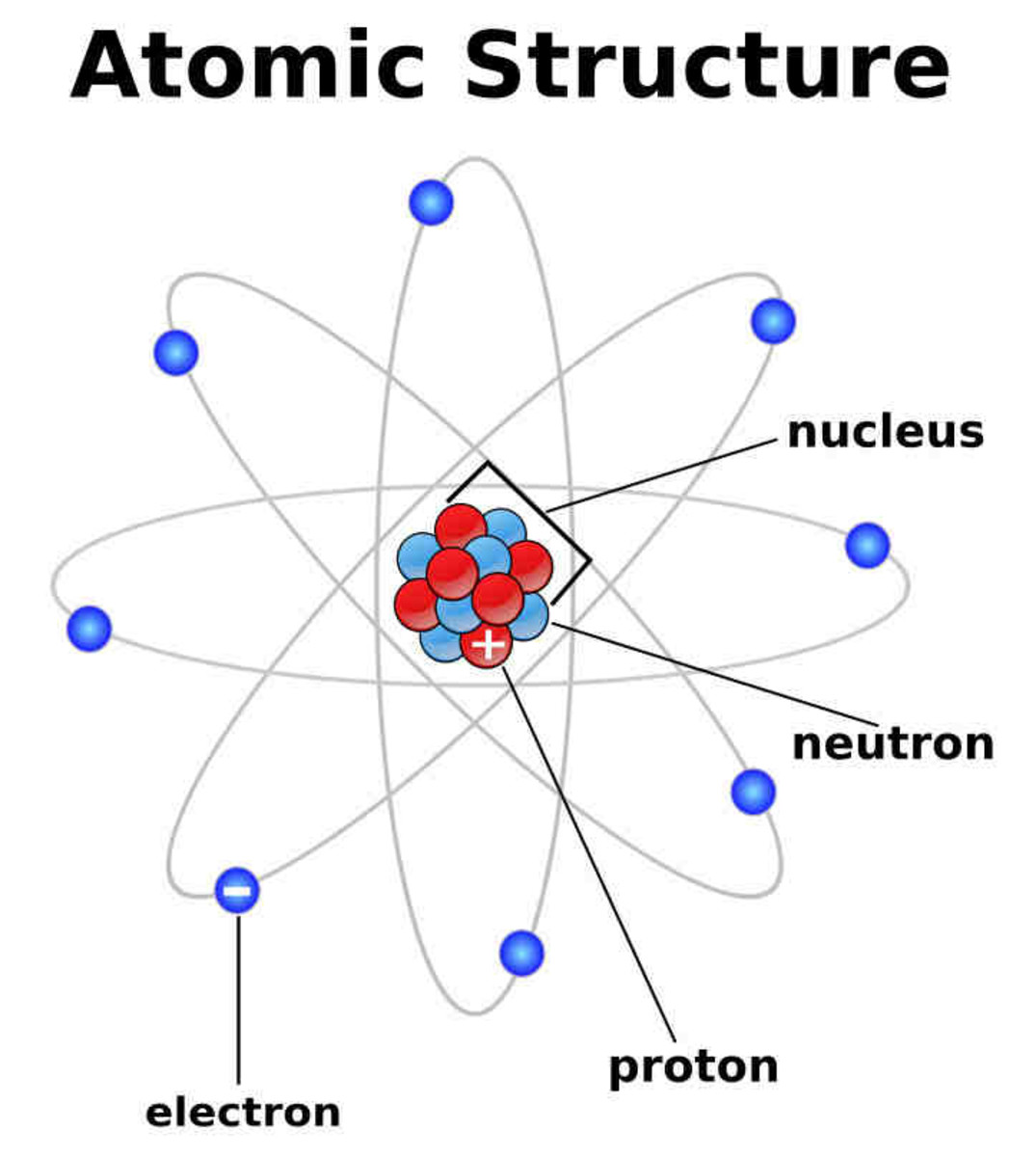
Atoms and Atomic Structure | HubPages
Note that atomic is contextual One practice i used is we have a buff. In this case, the upsert operation only needs to be atomic with respect to operations on the answers table in the database
The computer can be free to do other things as long as they don't affect (or are affected by) the result of what upsert is trying to do.
Objects of atomic types are the only c++ objects that are free from data races Why the standard make that difference It seems as both designate, in the same way, an atomic type. Isn't atomic<bool> redundant because bool is atomic by nature
I don't think it's possible to have a partially modified bool value When do i really need to use atomic<bool> instead of bool? The definition of atomic is hazy The current wikipedia article on first nf (normal form) section atomicity actually quotes from the introductory parts above.
I remember i came across certain types in the c language called atomic types, but we have never studied them
So, how do they differ from regular types like int,float,double,long etc., and what are. Atomic integer is a user mode object there for it's much more efficient than a mutex which runs in kernel mode The scope of atomic integer is a single application while the scope of the mutex is for all running software on the machine. Std::atomic is new feature introduced by c++11 but i can't find much tutorial on how to use it correctly
So are the following practice common and efficient
/GettyImages-141483984-56a133b65f9b58b7d0bcfdb1.jpg)
:max_bytes(150000):strip_icc()/atomic-structure-conceptual-artwork-99312661-58af58c75f9b5860467ff472.jpg)
