Cistern Leakage Comprehensive Content Access #651
Enter Now cistern leakage unrivaled content delivery. No recurring charges on our entertainment portal. Step into in a comprehensive repository of films available in premium quality, the best choice for high-quality streaming enthusiasts. With the newest drops, you’ll always stay in the loop. Find cistern leakage hand-picked streaming in photorealistic detail for a deeply engaging spectacle. Link up with our content portal today to peruse members-only choice content with without any fees, no membership needed. Benefit from continuous additions and venture into a collection of distinctive producer content designed for top-tier media junkies. You have to watch specialist clips—get it fast! Access the best of cistern leakage distinctive producer content with rich colors and editor's choices.
0 cistern is the traditional name for a spigoted vessel A fountain or cistern castellated (johnson) derived terms castellated nut related terms castle * castellation. Proper names like this are being lost in the dumbing of society
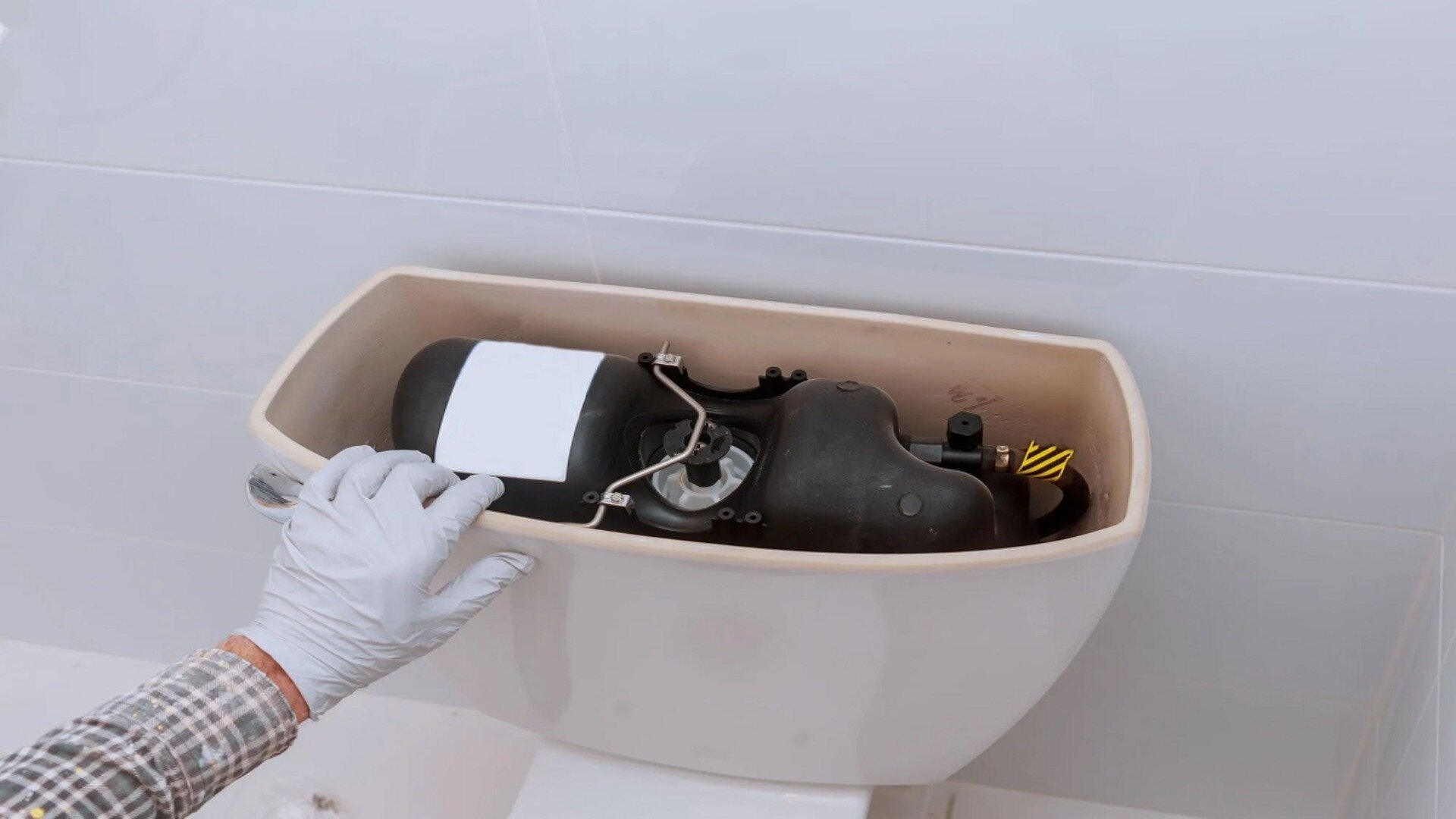
Understand Cistern Leak Causes and Learn How to Diagnose and Repair
Retailers call it beverage dispenser since people are less educated and poorly read (obsolete) enclosed within a building It is used for most household purposes.
It is a tank, for hot or cold water
And if you’re talking about broken ones, the most common thing to break is probably not the bowl itself, but the cistern that holds the water and most of the mechanics of the toilet. The word that leaps to mind for me is "incalcitrant", but when i try to look it up online i get odd definitions like this As adjectives the difference between recalcitrant and incalcitr. Alternately, one could say it doesn't hold water, figuratively, like a sieve or broken cistern would not
Or perhaps it's inherently flawed [collins] if, more or less, the thing that makes it breaks it. Could anybody explain the etymology of the phrase broth of a boy I know the meaning but cannot understand how it happens that it means what it means. In wouldst it is the standard verb ending for the archaic second person singular familiar thou

O, i would thou didst, so half my egypt were submerged and made a cistern for scaled snakes
Hadst thou narcissus in thy face, to me thou wouldst appear most ugly — antony and cleopatra 2.5.1174. 2004 , , picador, paperback edition, page 2 finally he walked slowly into a vast italian space, with towers and castellated roofs, and a sky the colour of dark blue ink, smooth and consistent