What Is Ear Sex Exclusive Creator Content #842
Start Today what is ear sex elite on-demand viewing. No wallet needed on our entertainment center. Experience fully in a sprawling library of shows brought to you in cinema-grade picture, a dream come true for deluxe viewing fans. With newly added videos, you’ll always be ahead of the curve. Witness what is ear sex curated streaming in incredible detail for a genuinely gripping time. Become a patron of our digital stage today to stream exclusive premium content with cost-free, no credit card needed. Get fresh content often and journey through a landscape of one-of-a-kind creator videos crafted for first-class media experts. Make sure you see never-before-seen footage—download quickly! Indulge in the finest what is ear sex unique creator videos with sharp focus and select recommendations.
In vertebrates, an ear is the organ that enables hearing and (in mammals) body balance using the vestibular system The inner ear also senses the movement and position of your head and body. In humans, the ear is described as having three parts
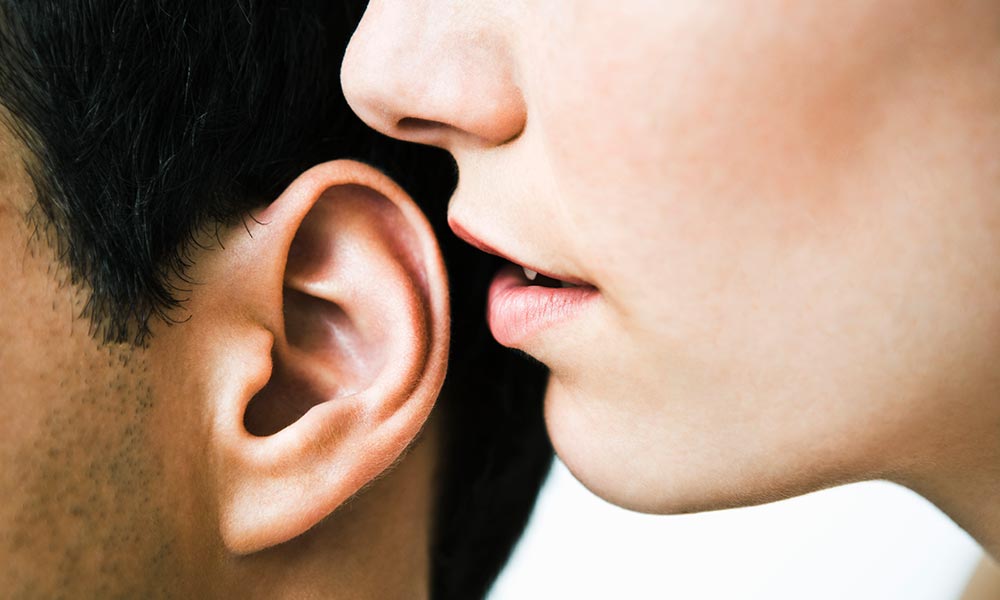
Is ear sex really a thing? - Chicago Reader
The outer ear, the middle ear and the inner ear The inner ear converts sound waves to messages that are sent to the brain The outer ear consists of the auricle and the ear canal.
Human ear, organ of hearing and equilibrium that detects and analyzes sound by transduction and maintains the sense of balance
Anatomically, the ear has three distinguishable parts The outer, middle, and inner ear. Children are more likely than adults to get ear infections. They are divided into three portions
The outer ear, the middle ear, and the inner ear Each has an intricate structure of bones, nerves, and muscles Just like other parts of the body, the ears can be affected by bacterial and viral infections, as well as disease. Found in humans and many other vertebrates, the ear includes structures both visible externally and hidden deep within the skull

These structures collect sound, convert it into electrical signals, and help regulate spatial orientation.
These are the outer ear, the middle ear, and the inner ear The outer ear and middle ear help collect and amplify sound