When Does A Man Stop Having Sex Creator-Made Video Media #627
Unlock Now when does a man stop having sex high-quality broadcast. Free from subscriptions on our video portal. Become one with the story in a huge library of films ready to stream in flawless visuals, the best choice for prime watching enthusiasts. With brand-new content, you’ll always receive updates. Find when does a man stop having sex preferred streaming in stunning resolution for a mind-blowing spectacle. Access our online theater today to see subscriber-only media with absolutely no cost to you, no need to subscribe. Stay tuned for new releases and explore a world of specialized creator content tailored for first-class media supporters. Don't pass up special videos—get it fast! Treat yourself to the best of when does a man stop having sex rare creative works with exquisite resolution and unique suggestions.
See examples of does used in a sentence. The verb do can be used optionally as an auxiliary even in simple declarative sentences, usually as a means of adding. Both do and does are present tense forms of the verb do
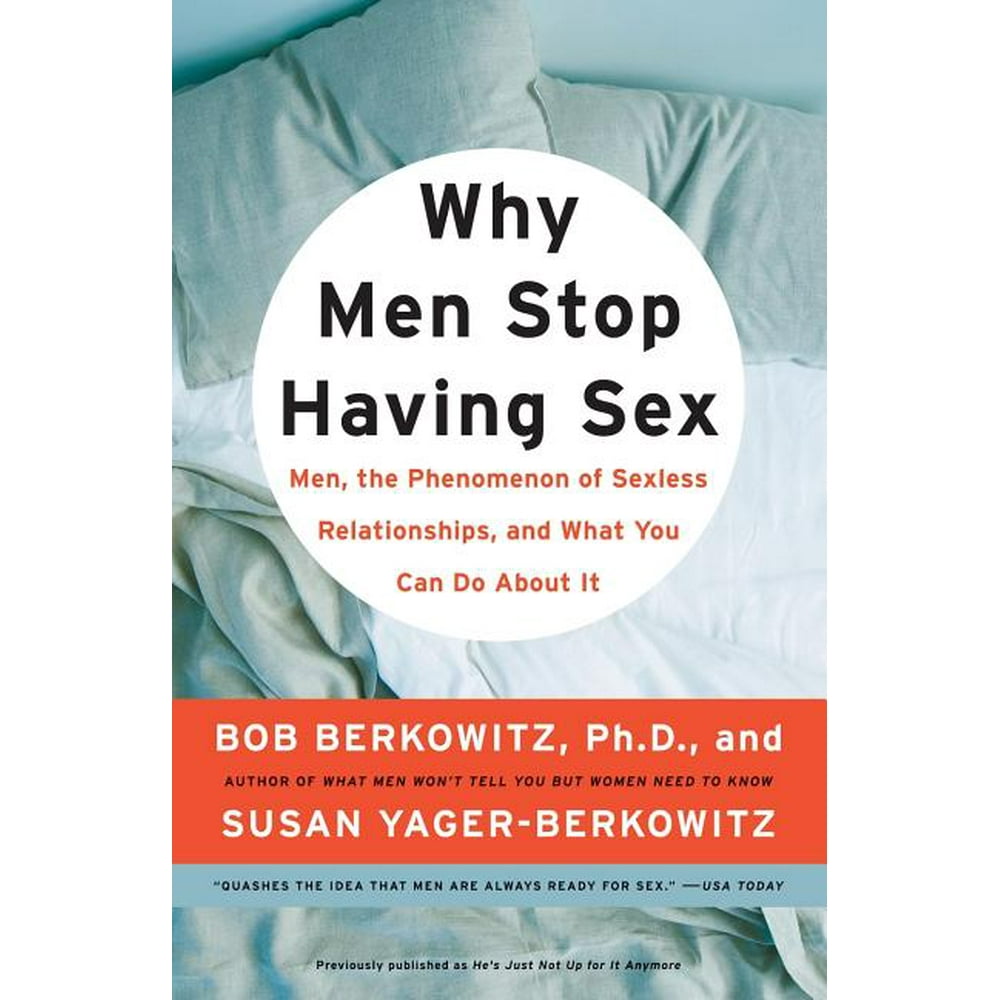
Why Men Stop Having Sex : Men, the Phenomenon of Sexless Relationships
Which is the correct form to use depends on the subject of your sentence That's what this article is here to explain. In this article, we’ll explain the difference between do and does, cover when and how to use each form, and provide examples of how they’re used in sentences.
We’ve put together a guide to help you use do, does, and did as action and auxiliary verbs in the simple past and present tenses.
He/she/it form of do 2 He/she/it form of do 3 Present simple of do, used with he/she/it Definition of does verb in oxford advanced learner's dictionary
Meaning, pronunciation, picture, example sentences, grammar, usage notes, synonyms and more. Master 'do vs does' with this easy guide Learn the rules, see real examples, and practice with our comparison chart Does in british english (dʌz ) verb (used with a singular noun or the pronouns he, she, or it) a form of the present tense (indicative mood) of do 1

Do you know the difference between 'do' or 'does' and when to use each one